What is the Difference Between E-Track Straps and Regular Ratchet StrapsUpdated 8 months ago
Understanding the Difference Between E-Track Straps and Regular Ratchet Straps
When it comes to securing cargo, choosing the right type of strap can make all the difference in safety and efficiency. Two of the most common options are E-Track ratchet straps and regular ratchet straps. While both serve the same basic purpose — keeping your load firmly in place — they’re designed for different setups and offer unique benefits. Here’s a breakdown to help you decide which is best for your needs.
What Are E-Track Straps?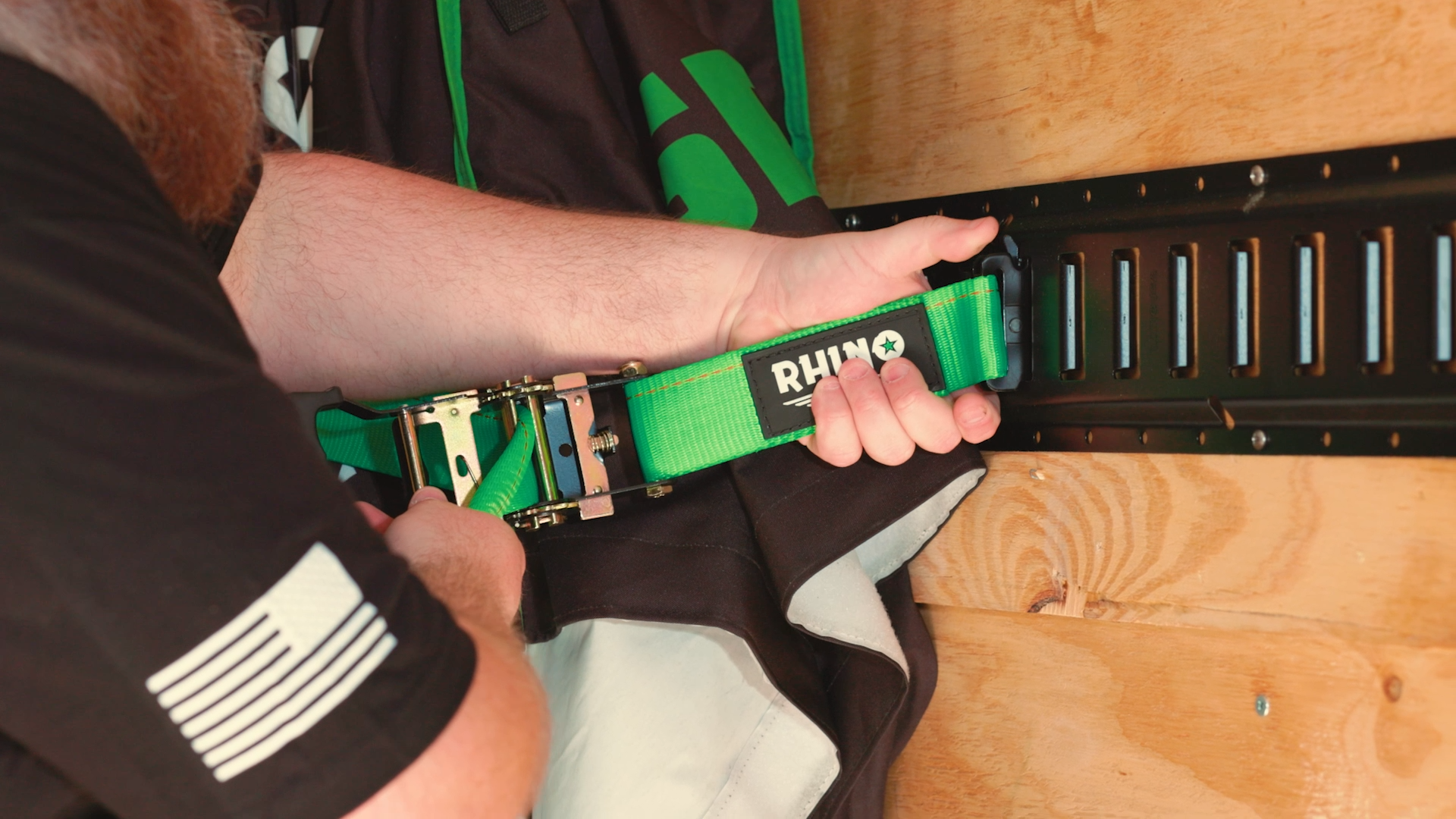
E-Track straps are designed specifically to work with E-Track systems — metal rails installed on the walls or floors of trailers, trucks, or vans. These rails feature evenly spaced slots where the ends of E-Track fittings lock in securely.
An E-Track strap has spring-loaded fittings on each end instead of traditional hooks. These fittings snap into the E-Track slots, creating a strong, adjustable anchor point exactly where you need it. Because the E-Track system runs along large sections of the trailer, you can easily customize the strap placement for different cargo sizes and shapes.
Best for:
Enclosed trailers and box trucks
Cargo vans and delivery vehicles
Frequent loading/unloading or varied cargo types
Key benefits:
Flexible anchor points: Attach straps anywhere along the E-Track rail.
Clean, organized setup: Keeps straps tidy and prevents tangling or loose ends.
Quick and secure connection: Fittings click in and release easily, saving time during loading.
What Are Regular Ratchet Straps?
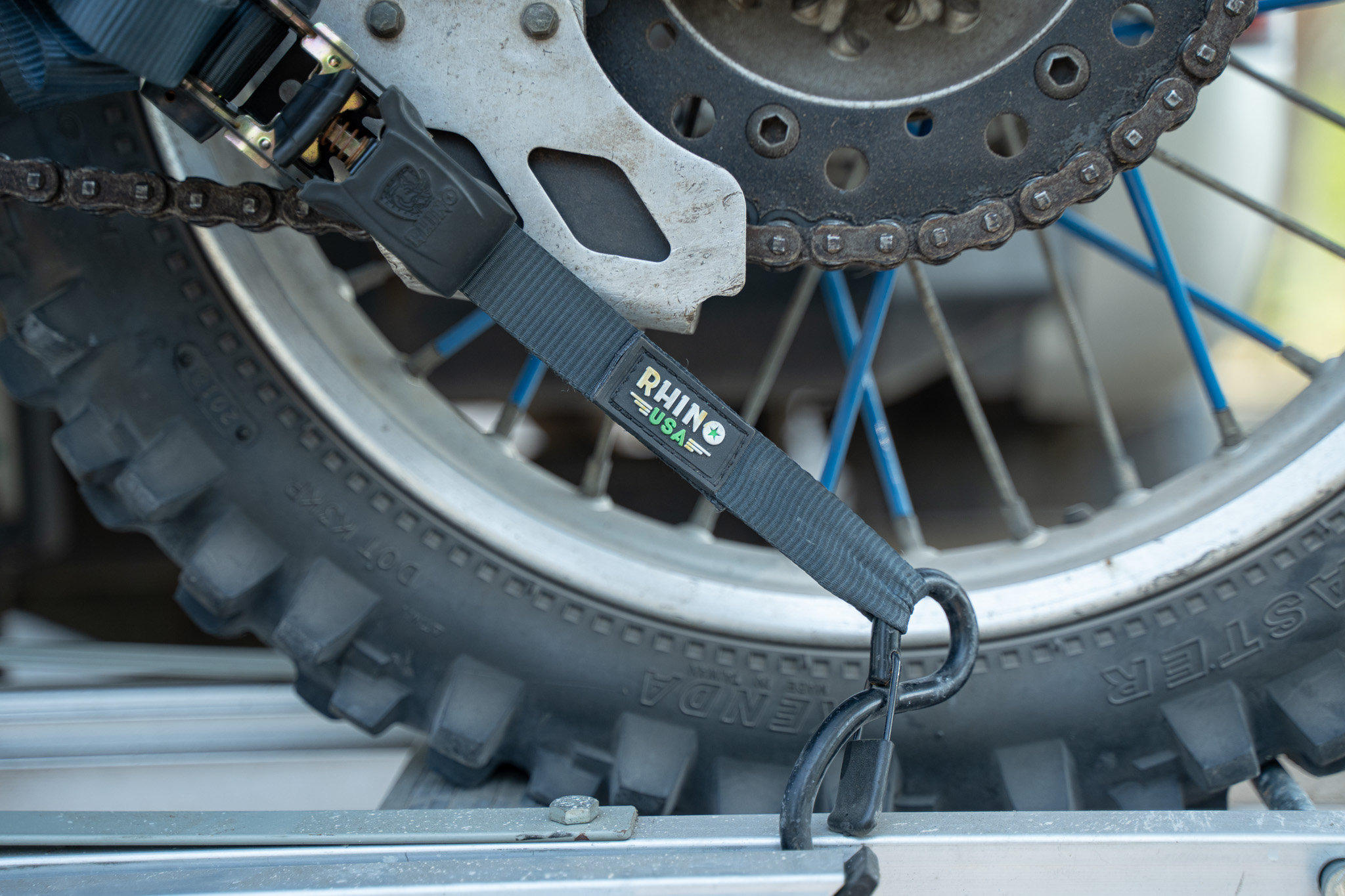
Regular ratchet straps — also known as standard tie-down straps — are the most common type of cargo strap. They feature hooks or loops on each end (often S-hooks or flat hooks) and a ratcheting mechanism in the middle that tightens the strap to hold down your load.
These straps don’t require a specialized rail system. You can hook them onto D-rings, stake pockets, or any solid anchor point on your trailer or truck bed. Because of their simplicity, they’re versatile and suitable for a wide range of hauling tasks.
Best for:
Open flatbed trailers
Pickup trucks
Securing heavy equipment, furniture, or large items
Key benefits:
Universal use: Works with almost any vehicle or anchor point.
High strength: Ideal for heavy-duty tie-down jobs.
Affordable and widely available: Easy to replace or find in stores.
Which One Should You Choose?
The right strap depends on your setup. If your vehicle or trailer has an E-Track system, E-Track straps are the best choice — they’re faster, neater, and purpose-built for that system. If you don’t have E-Tracks installed or frequently haul on open trailers, regular ratchet straps offer maximum flexibility and compatibility.
For many professional haulers, having both types on hand is ideal. E-Track straps keep enclosed cargo organized, while regular ratchet straps handle heavier or irregular loads outside.
In summary:
E-Track straps work with a track system for convenience and flexibility, while regular ratchet straps are universal and great for general use. Both are reliable — it just depends on how and where you’re hauling.